Live Dream Catcher Casino in the UK: How It Works
 Available in GB
A streamed studio session pairs a human dealer with on-screen betting controls, but the label alone does not explain the rules or options.

- What the Live Dream Catcher Format Actually Means
- Before You Play: Pace, Connection and Table Stakes
- Choosing a Site Without Falling for the Sales Pitch
- Playing a Live Game: What Happens on Screen
- The Wheel, the Zeroes and the Bet You Make
- Checking a Live Casino Site Before You Sign Up
- A Demo Is Not the Same as Playing for Money
- A Candid Review: The Rules Still Matter
- Playing Live: Set Your Limits Before You Start
- Bonuses and Live Tables: Read the Small Print
What the Live Dream Catcher Format Actually Means
“Live” describes how the game is presented: gameplay is streamed in real time from a studio, where a human dealer runs the session. You watch that stream and place bets through controls on your screen. The dealer and the betting interface are parts of the same experience, but they do different jobs: the dealer handles the live game, while you use the interface to make your selections.
That is the useful starting point when you see Dream Catcher described as a live casino game. The wording tells you to expect a streamed studio format rather than a game presented entirely through a digital interface. It does not, by itself, tell you every detail of the game, what controls will appear, or what each betting option means. Those are things to establish from the game screen and its rules, not from the word “live”.
I used to treat labels like “immersive” as if they explained something. They don’t. A live studio can make a game feel more like watching a hosted event than tapping through a conventional online game, but the practical distinction is simpler: a human dealer is running the game on camera, and you send your bets through the on-screen interface. That’s the format. No mystery needed.
If you’re looking for a place to play live Dream Catcher in the UK in 2026, payout timing is one detail worth checking. Use this list as a reference point when considering your options.
Payout speed: 1-3 business days Revery Play lists a payout speed of 1–3 business days, giving you a stated timeframe to consider.
Payout speed: 1-3 business days Chanze lists a payout speed of 1–3 business days, giving you a stated timeframe to consider.
Payout speed: 1-3 business days Dieselwin lists a payout speed of 1–3 business days, giving you a stated timeframe to consider.
Payout speed: 1-3 business days NightWin lists a payout speed of 1–3 business days, giving you a stated timeframe to consider.
Payout speed: 1-3 business days EvoSpin lists a payout speed of 1–3 business days, giving you a stated timeframe to consider.
Payout speed: 1-3 business days Britsino lists a payout speed of 1–3 business days, giving you a stated timeframe to consider.
Payout speed: 1-3 business days SlotoSport lists a payout speed of 1–3 business days, giving you a stated timeframe to consider.
Payout speed: 1-3 business days x3bet lists a payout speed of 1–3 business days, giving you a stated timeframe to consider.
Payout speed: 1-3 business days Jetsetspins lists a payout speed of 1–3 business days, giving you a stated timeframe to consider.
Payout speed: 1-3 business days NightLuck lists a payout speed of 1–3 business days, giving you a stated timeframe to consider.
The studio and the screen
In a live Dream Catcher online casino setting, the studio stream is the view of the live session. Your device shows that stream alongside an interface for placing bets. You are not physically at the studio or handling anything there; your part takes place through the controls provided on screen. The dealer’s part takes place in the studio.
It helps to keep those two layers separate in your head. The video is how you follow the live action. The interface is how you participate by submitting a bet. A polished studio presentation may draw your attention, but it does not change what the interface is for. Nor does seeing a dealer mean that every action you take is spoken aloud or handled face to face. The setup remains remote: you watch a stream and use the screen to make your choices.
That’s also why “online casino Dream Catcher” can be an imprecise phrase. It may refer to a game offered within an online casino, but the phrase alone does not tell you how a particular session is arranged beyond the live-dealer format. The central point is not a special device or a hidden way of playing. It is the connection between a real-time studio stream and a digital betting interface.
What “live” does—and doesn’t—tell you
When people look for Dream Catcher online casinos, they may be trying to understand whether they will see a dealer or interact with a computer-only presentation. In this format, a human dealer is present in the studio stream. That is the distinguishing feature you can take from the live label.
But “live” should not be stretched into a promise about the whole experience. It does not tell you that the dealer will respond to every player, that a chat function is available, or that the game has particular features. It does not explain the rules or the meaning of individual betting choices either. Those details need to be checked in the game itself. I’ve learned not to let a confident label fill in blanks it never addressed.

The same applies when a page calls itself an online casino with Dream Catcher. The phrase may tell you what game a page is discussing, but it is not a substitute for the actual game information. The live setup is one part of the experience; understanding the available choices is another. Keeping those questions apart makes it easier to judge what is on screen without assuming more than the format establishes.
A straightforward way to picture it
Think of the experience as two things happening together. A dealer conducts a game in a studio, and the casino interface lets you place bets remotely while viewing the live stream. You are not simply watching a recorded clip, and you are not standing at a physical table. It is a real-time studio presentation connected to an online betting screen.
That is what someone generally means by a live Dream Catcher casino online experience. The name may appear in different word orders—Dream Catcher online casino, online casinos with Dream Catcher, or live Dream Catcher online casinos—but the basic question is often the same: does the game use a human dealer and a live studio stream, with bets submitted on screen? That is the format described here.
If you are deciding whether to play Dream Catcher online, begin with that distinction rather than the atmosphere promised by a page or advert. “Live” means a human dealer and real-time studio gameplay; the interface is where you place your bets. It is a clear description of the delivery method, not a verdict on whether the game suits you. First understand the format. Then look at the game’s own information before making a choice.

Before You Play: Pace, Connection and Table Stakes
The trade-off I would think about before opening a live Dream Catcher table is not just whether the game looks appealing. Live play has a different rhythm from a digital version, and it depends on your connection and the table’s minimum stake. Those practical details can shape the experience more than a bright banner or a promise of excitement.
A live game moves more slowly than a digital one. There is a real-time studio feed and a human dealer, so the action cannot be compressed into instant results in the way a purely digital game can. You wait for the live round to progress. If you are used to tapping through quick games, that pause may feel like part of the atmosphere at first, then like a delay when you are impatient to see what happens.
That pace is worth being honest about. A slower round does not automatically mean a calmer session: you can still feel pressure while waiting, especially if you are focused on the result or have already decided what you want to happen. I have learned that a live stream can make a game feel more absorbing without making it easier to manage. More atmosphere, not more control.
It also changes how you spend time. With a digital game, the next round may be ready almost immediately. Live play has to follow the studio’s flow, so you may have stretches where you are waiting rather than acting. If you only have a short break, that can be frustrating. If you want a more measured pace, it may suit you better. Neither reaction is wrong; it depends on what you expect from the session.
The connection is part of the deal, too. A stable internet connection is needed for live play. If your stream repeatedly freezes or drops, it can interrupt the experience and make it harder to follow what is happening. A strong-looking game page cannot fix a weak signal. I would check that the connection is behaving before settling in, rather than assuming it will be fine because other apps load.
Attention: A weak or unstable internet connection can cause the live stream to freeze or drop, making the experience disjointed.
That matters particularly when you are away from home or sharing a network. A brief interruption might be no more than an annoyance, but it can make a live game feel disjointed. If the feed keeps stuttering, stepping away is more sensible than trying to push through while distracted. A live table asks you to keep up with a real-time event; it is less forgiving of a connection that comes and goes.
Table stakes are another practical difference. Live games can have higher minimum bets than digital versions. The exact entry point depends on the table, so do not treat a figure you saw elsewhere as a promise about the one you are considering. A specialist review has cited live roulette and baccarat tables starting at around 20p, while blackjack tables often have higher starting limits. That is a report from that type of source, not a guaranteed current price or a universal rule.
The useful point is not to memorise that amount. It is to look at the displayed minimum before you join and decide whether it fits what you intended to spend. A table can be technically accessible while still being a poor match for your budget. If the minimum makes every round feel too consequential, the live format is not suddenly better value because it has a human dealer.
I used to focus on whether I could get into a game and treat the stake shown as a small detail. That was backwards. The minimum affects how much room you have to make decisions, and it can make a session feel more intense than expected. If the table’s starting point is higher than you are comfortable with, choosing another table—or not playing—is a better answer than stretching your plan to fit it.

Put the three conditions together: a live game takes its time, needs a reliable connection and may ask for a higher starting stake than a digital alternative. None of those features tells you whether you will enjoy the game, but they are easy to check before you commit. Take a moment to see whether the pace suits you, whether your connection is steady and whether the minimum is genuinely affordable.
No need to force it.
Choosing a Site Without Falling for the Sales Pitch
A polished page can make a casino look like the obvious place to play. It may use words such as “trusted”, “premium” or “best”, with glossy pictures and a prominent Dream Catcher table. I’ve learned not to treat that language as proof of anything. For live-dealer play in the UK, the first practical question is whether the casino holds a licence from the UK Gambling Commission.
That is the basic eligibility check, not a verdict on how enjoyable a site will be. A UKGC licence means the operator is authorised to offer gambling to people in the British market under the UK’s regulatory system. Live-dealer casinos are legal here when they hold that licence. If a site is selling live casino games to UK customers but has no UKGC licence, it does not meet that requirement.
It sounds less exciting than comparing banners or hunting for a “top” pick. It is also more useful. I’ve spent time looking at the shiny parts first and only later asking who was actually responsible for the service. That order gets things backwards. The licence is the starting point; the sales pitch comes after, and it should never replace the check.
Licensing
For live-dealer play in the UK, you must ensure the casino holds a licence from the UK Gambling Commission to meet legal requirements.
What the claim does — and does not — tell you
A licensed operator is not automatically the right choice for you, and a licence is not a promise that every session will go smoothly. It does not mean you will win, that a particular game will suit you, or that every promotion is generous. It tells you something narrower and important: the operator is authorised to serve the UK market under the relevant gambling rules.
That distinction matters because casino pages are designed to sell an experience. A phrase like “the best live Dream Catcher casino” can sound like a clear recommendation, but “best” depends on what a person values. One player may care about a particular table; another may care about the way an operator presents its information. The word itself settles none of that. It certainly does not establish that the casino is legally eligible to offer play in the UK.
I now read promotional claims as invitations to check, not evidence. “Exclusive” means I want to know what is actually exclusive. “Trusted” makes me look for the operator’s status. “Best” is just a label until there is something concrete behind it. No mystery.
That is the line that matters before considering whether a site’s presentation appeals to you. A name, a familiar logo, or a confident claim on a landing page cannot take the place of the regulator’s licence.
Be wary of borrowed reassurance
Casino websites can use reassuring wording without making the central point easy to assess. A page may mention regulation in general terms, display badges, or refer to a licence without making clear whether it is a UK Gambling Commission licence. If you are considering a casino for UK play, do not treat vague references to being “regulated” as equivalent to the specific UK authorisation required for the market.
This is not a technicality for the small print. The UK’s rules require operators serving British customers to hold the relevant Gambling Commission licence. So if a casino’s marketing focuses on Dream Catcher but leaves its UK status unclear, the marketing has not answered the question that comes first.
I’ve fallen for the opposite approach before: letting a busy page, an impressive-sounding claim, or the promise of a particular experience do the thinking for me. It is easy to confuse confidence with credibility. They are not the same thing. A site can sound certain about itself and still leave you without the one piece of information you need to establish that it is authorised for UK customers.
The simplest way to avoid that trap is to separate two decisions. First, establish whether the operator holds the UK Gambling Commission licence required to offer gambling here. Only then decide whether the site itself is one you want to use. Blending those questions lets attractive design or promotional language distract from the legal threshold.
Keep the choice grounded
If you are comparing places to play Dream Catcher, start by filtering out any casino that does not meet the UK licensing requirement. That is not a recommendation of one operator over another. It is a basic boundary for legal online casino play in the UK.
- Filter for UKGC licensed operators
- Read promotional terms carefully
- Verify the operator’s legal status
- Trust glossy pictures as proof
- Rely on labels like “best” or “trusted”
- Ignore the regulator’s licence
Once you have established that an operator is licensed, its claims still deserve ordinary scrutiny. A licence does not make advertising neutral, and a phrase like “best Dream Catcher casino in the UK” remains a pitch rather than a guarantee of quality. Read the language for what it is: an attempt to persuade you. Then keep your decision separate from the slogan.
I prefer a dull, reliable question over a spectacular promise. Is the operator authorised by the UK Gambling Commission to serve this market? If the answer is unclear, I would pause rather than let the design make the decision for me. No rush.
This content is for entertainment purposes only and is not gambling advice.
Playing a Live Game: What Happens on Screen
When you open a live table, the screen brings together a studio stream and a betting interface. A human dealer appears in the broadcast, while the controls for placing bets sit alongside or over the video. You are watching events unfold in real time, but your choices are made through the casino’s on-screen controls. That split matters: the dealer runs the live game, and the interface is how you take part.
The first few moments are worth spending without placing anything. I’ve learned not to treat a busy screen as a reason to rush. Take a moment to see which parts show the live action and which parts are interactive. The layout can make the available choices look obvious, but an on-screen option is not automatically one you understand. If you are unsure what a control represents, pause and find its explanation before using it.
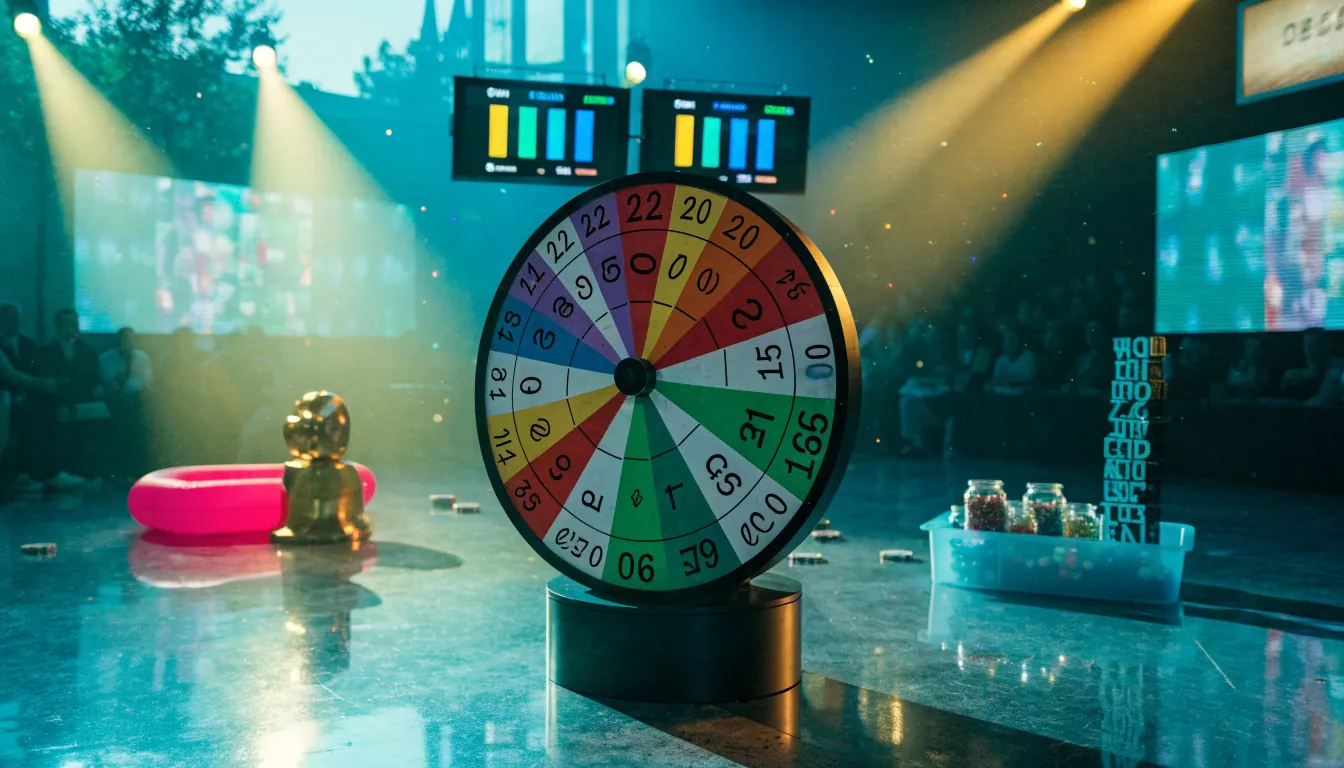
A live dealer may be visible throughout the session, giving the experience a human presence that a purely digital game does not have. You can follow the dealer’s actions as they happen rather than watching a result generated on a separate screen. Still, the video is not a substitute for reading the information attached to the table. The stream shows the proceedings; the rules explain what your selection means.
That distinction is easy to miss when the interface is moving and the table is open for bets. A button or marked area can invite a quick decision, especially if you are trying to keep up with the action. I prefer to slow down enough to identify the choice I am making and check that it matches my intention. A misread interface can turn a deliberate decision into a careless one. Not a clever way to start.
Before you place a bet, read the table rules and paytable. Check how the game defines its available bets, what conditions apply and how a winning selection is settled. Do not assume that an option works the same way as one you have seen elsewhere. Even if you have played a related game before, the details shown for this table are the ones to use.
Ready to Play
- Identify live action vs interactive areas
- Read the table rules
- Review the paytable
- Confirm the meaning of each on-screen choice
This is particularly useful if you have arrived intending to play the Dream Catcher casino game but have not spent time with its table screen. The title alone cannot tell you what each on-screen choice means or how the table handles it. Read the information provided at the table first, then decide whether you want to take part. If the wording is unclear, there is no need to guess.
The live format can feel more involving because the dealer and game are on screen together, but that does not make the interface self-explanatory. Treat it as a set of controls attached to a game whose terms you should understand before acting. Look, read, decide. No need to rush.
That is the practical rhythm of playing a live casino game: follow the stream, use the interface deliberately and check the rules and paytable before committing a bet. The screen gives you a way to participate, not a reason to skip the small print. This article is for entertainment purposes only, not gambling advice.
The Wheel, the Zeroes and the Bet You Make
A live wheel and a computerized wheel may look similar in a betting interface, but the process behind them is different. In live roulette, a dealer spins a physical wheel and the ball lands in one of its numbered pockets. Computerized roulette instead uses a Random Number Generator to produce the result. One involves a visible wheel; the other produces an electronic outcome.
That distinction matters if you are trying to understand what a game’s “wheel” actually refers to. A wheel-based game is not automatically roulette, and a roulette table should not be assumed to describe every live casino wheel. The rules and the betting options depend on the particular game. I’ve learned not to take a familiar-looking graphic as a reliable guide to what happens underneath. Read the game’s own rules.
In roulette, the pocket count affects the chance of hitting a number. American Roulette has two green pockets: 0 and 00. European Roulette has one green pocket, 0. If you select a single number, the chance of winning is 1 in 38 on the American wheel and 1 in 37 on the European wheel.
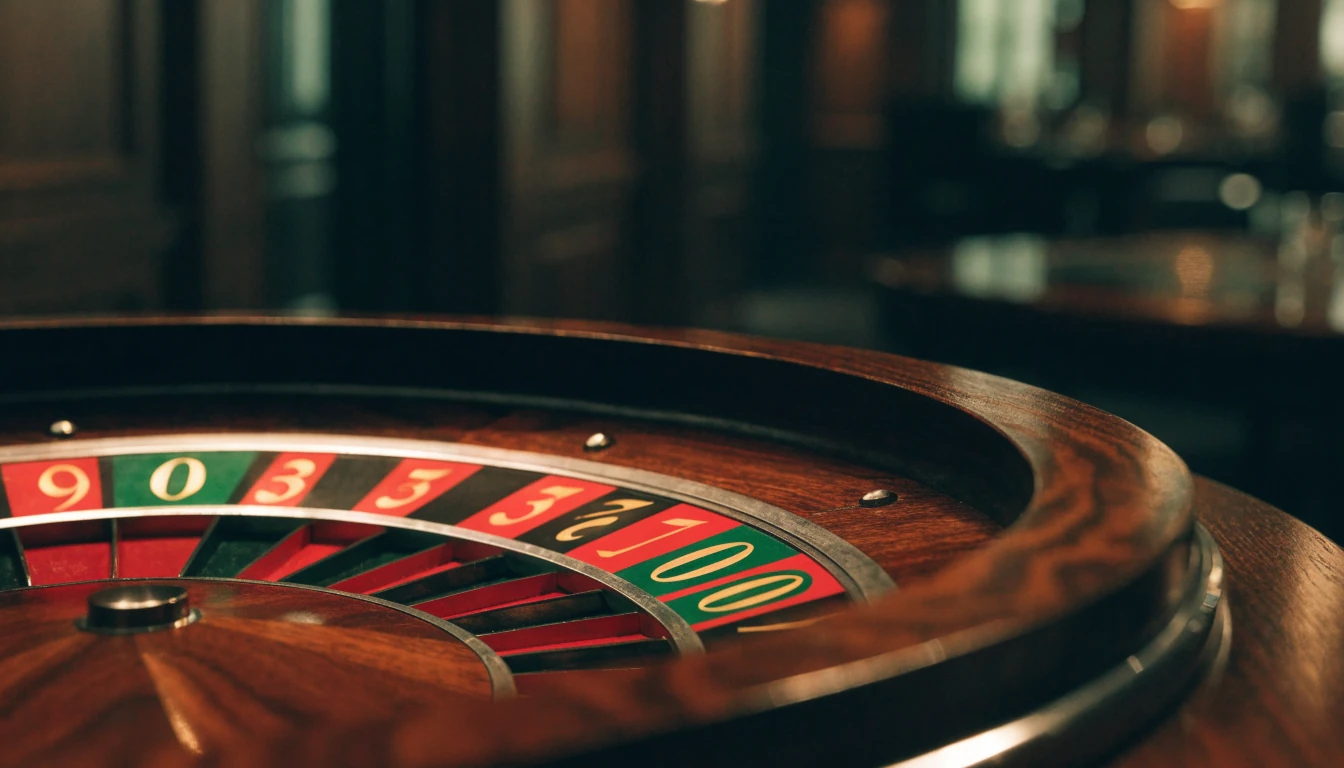
That extra pocket is easy to miss when you are looking at the betting layout. It is still part of the wheel, and it changes the odds. European Roulette gives a single-number selection a slightly better chance of landing than American Roulette does. It does not make a win likely, and it does not tell you what the next spin will do.
I used to look at a run of results and feel as though the wheel was “due” to turn my way. That feeling is persuasive; it is not a prediction. A live dealer’s physical spin may make each result easier to follow, but it does not make previous results a guide to future spins. The same goes for a computerized game: its Random Number Generator is not reading a pattern from the table.
The choice between these roulette versions is therefore not just about whether you prefer watching a dealer or a digital display. Check which version you have opened, look at the pockets shown, and confirm the table rules before betting. If the screen does not make that clear, pause rather than guessing.
And if you arrived looking for a particular casino wheel, do not assume the roulette comparison settles what that game is or how it works. Roulette has numbered pockets and familiar odds; another wheel game may have different rules entirely. Keep the names separate, and check the paytable for the game in front of you. Simple enough.
Checking a Live Casino Site Before You Sign Up
Before I look at a live table, I check the operator behind the site. The useful first question is not whether the page looks polished or carries a familiar game title; it is whether the casino holds a current operating licence from the UK Gambling Commission. Live dealer casinos can operate legally in the UK when they have that licence. Without it, a site is not a legal online casino serving UK players.
I used to let the presentation do too much of the convincing. A smart lobby and confident claims can make a site feel established, but they do not answer the licensing question. Check the operator’s legal information and confirm the licence through the Gambling Commission’s own register. Make sure the operator named there matches the business running the site, rather than assuming a logo or a line of small print settles it.
That check matters whether you have arrived for a particular live dealer table or are comparing several casino sites. It does not tell you that every feature will suit you, or promise a smooth experience. It tells you whether the operator meets the basic legal requirement for offering online gambling to people in Great Britain. A sales pitch is not proof.

There is also an age check before money can go into a gambling account. Operators must verify a customer’s age before allowing a deposit. So expect to be asked to provide information or documents for verification; do not treat that step as an optional box to rush past. If the site lets you deposit without checking your age, that is a reason to stop and reconsider, not a shortcut worth celebrating.
I now separate the checks: first, is the operator licensed for the UK market? Then, does it verify age before accepting a deposit? Those are basic access checks, not a verdict on whether you should play. They also do not replace reading the terms or deciding whether the site suits you.
No badge does the thinking for you. Take a moment to verify the operator before signing up, and leave if the licensing details are unclear or do not match. This page is for entertainment purposes only, not gambling advice.
A Demo Is Not the Same as Playing for Money
It is easy to see “demo” beside a casino game and assume you can try the exact live experience without risking anything. I would pause before making that assumption. A live dealer game is a real-time studio stream: a human dealer runs the game, while players use an on-screen interface to place bets. Whether a particular casino offers a free-play version of Dream Catcher is a separate question, and the word “live” in a game’s name does not confirm that a demo is available.
That distinction matters. A demo, where offered, may let you explore an interface or see how a game works without staking money. It is not automatically the same thing as joining the live table with a dealer and placing real bets. The presentation, available options and conditions can differ, so check what the casino actually means by “demo” before you start. Labels are cheap.
I have caught myself treating a free-play button as a preview of the real thing. It can be useful for getting familiar with controls, but it should not be taken as proof that the paid version will feel identical. Nor does free play create a balance you can withdraw: any play without real stakes does not produce real payouts or winnings.
If you are looking for a Dream Catcher demo, read the game page and the casino’s own terms rather than relying on a thumbnail or a short promotional line. Look for a clear indication that the mode is free, and check whether it is a simulated version or a live studio stream. If that is not spelled out, do not assume.
There is also a practical difference in what you are testing. A simulated mode can help you see where controls sit; a live studio game involves a dealer and real-time betting through the screen. One is not a promise of the other. If no free option is clearly available, you can simply decide whether the real-money version suits you—or leave it alone.
A demo can be a low-pressure way to inspect a game, when one exists. It is not a source of winnings, and it cannot guarantee the same experience as playing for money. Check first. Then choose.
A Candid Review: The Rules Still Matter
A live casino review can get caught up in the studio, the dealer and the pace of the table. Those details shape the experience, but they do not change what a game asks you to do or remove its built-in advantage. I learned that the hard way: an engaging game can still be a losing one.
Blackjack is a useful example. Your aim is to beat the dealer by making a hand worth 21 points, or as close to it as you can get without going over. That sounds simple until each decision starts to feel like a chance to undo the last one. I’ve made the mistake of treating a run of bad hands as something I could correct with a bigger stake. It didn’t work.
The house edge remains. In plain terms, the game is not an even contest over time, and no betting pattern changes that underlying fact. Martingale is the familiar example: after a loss, you raise your next stake in an effort to recover what you have dropped. A win may seem to make the plan work, but repeated increases can still leave you with losses. The system doesn’t turn a losing run into a certainty of recovery.
That is worth keeping in mind when assessing any live table, including a Dream Catcher live casino experience. A polished presentation is not evidence that the game is safer, more generous or easier to beat. Nor does a confident-sounding betting method change the rules. I used to confuse the feeling of having a plan with having an advantage. Different things.
House Edge
An engaging presentation or betting strategy does not remove the built-in house advantage.
So judge the experience on what it actually offers, not on the idea that a strategy can guarantee a result. In blackjack, the objective is clear, but the house edge remains and a staking system can still cost you money. This is entertainment, not gambling advice.
Playing Live: Set Your Limits Before You Start
Before you play Dream Catcher live, decide what you can afford to lose and treat that amount as the cost of entertainment, not money you expect to get back. I’ve found it’s much easier to make that call before the game is on screen. Once you’re caught up in the moment, a budget can start to feel negotiable.
Pick a stopping point in advance and stick to it. If your balance reaches the amount you set aside, stop. A losing run is not a reason to add more money, and a win is not a reason to keep going until it disappears. Chasing either one can turn a short session into spending you never meant to do.
Live play can feel especially absorbing because the game unfolds in real time. That doesn’t change what you can afford, or make the next result more likely to repair a previous one. I’ve made the mistake of treating “just one more round” as a plan. It wasn’t.
It can help to decide not only how much you’re willing to spend, but also when you’ll leave the table. If you’re tired, distracted or already annoyed about a result, pausing is a sensible choice. You don’t need to prove anything to the game.
Keep the budget separate from money needed for bills and everyday costs. If you find yourself repeatedly breaking your own limit, take a break rather than trying to win the money back. The limit is there to protect your choice to play for fun; once it stops working, step away.
This is entertainment, not gambling advice. Live casino games involve risk, and you may lose the money you stake.
Bonuses and Live Tables: Read the Small Print
A welcome offer can look like extra money for a Dream Catcher session, but the headline rarely tells you how much of the bonus is usable at a live table. I’ve learned to open the terms before opting in, not after I’ve already started playing.
Live games may count for only a small share of wagering requirements. A weighting of 10%, for instance, means eligible live-game stakes contribute only a fraction towards the requirement. The exact weighting depends on the offer, so check the terms for that specific promotion rather than assuming every table counts equally. If live games are excluded, your play there may not move the requirement along at all.
Then there’s the “free” part. Specialist reviews describe many UK welcome offers as slot free spins, which cannot be used at live tables. That doesn’t establish what every casino currently offers; it’s a reason to check the promotion itself. A bonus advertised alongside a live game is not necessarily a bonus you can stake on that game.
Before you opt in, look for three details: wagering requirements, game weighting and the maximum bet allowed while the bonus is active. Those conditions can change whether an offer fits the way you intend to play. If anything is unclear, ask the operator before accepting rather than trying to untangle it mid-session.
I used to focus on the headline and treat the terms as background noise. Bad habit. A bonus is only relevant if its rules match your plans, and it may be simpler to play without one than accept conditions you don’t want.
This is for entertainment only, not gambling advice. Set a budget before playing and stick to it; a bonus doesn’t make a loss easier to recover.
How do you play live roulette?
You place bets through the on-screen interface, then watch a dealer spin a physical wheel in real time. You win if the ball lands on a number you selected.
How do you choose a live dealer casino?
Choose one that holds a UK Gambling Commission licence. Before playing, check the table’s minimum stake and make sure your internet connection is stable.
Is the house edge the same at live dealer casinos online?
No, it varies by game and bet. In roulette, straight-up bets have a 2.9% house edge, while other bets have a 2.7% edge.
How can you win live dealer roulette?
You win when the ball lands on a number you selected. American Roulette has odds of 1 in 38, compared with 1 in 37 for European Roulette.
Why does the dealer always win in blackjack?
The dealer does not always win: in blackjack, you aim to beat the dealer with a hand totalling 21 or less. The game retains a house edge, but that does not mean the dealer wins every hand.
What is the difference between European and American Roulette?
American Roulette has two green pockets, 0 and 00, while European Roulette has only one, 0. The odds of winning are 1 in 38 in American Roulette and 1 in 37 in European Roulette.
Created by the ”Betninja” editorial team.